


Does bright light hurt your eyes?
Chances are that you may have light sensitivity, also known as photophobia. This condition occurs when bright light causes pain or discomfort in the eyes. Being sensitive to light is also linked with various conditions, which can be mild or complicated.
What Is Photophobia?
Photo means light and phobia means fear.
So, the meaning of photophobia is the fear of light. However, that's not the case in medical terms. Medically, photophobia is used for the discomfort or pain in the eyes when exposed to bright lights.
Interestingly, photophobia is a condition on its own. Rather, it is a symptom of other underlying issues such as eye conditions and neurological problems. However, it can be a temporary issue, such as after dilating your eyes during an eye exam.
While photophobia is often mild, causing people to squint in bright conditions, it can be more severe for some individuals. In more intense cases, exposure to light can lead to sharp pain or an overwhelming discomfort in the eyes. If you've ever had to retreat indoors because of sunlight or felt that your eyes are constantly aching, you might be dealing with photophobia.
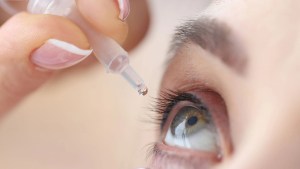
Signs and Symptoms of Light Sensitivity
Common signs include:
- Squinting or blinking frequently in bright environments
- Shielding your eyes with your hands or wearing sunglasses indoors
- Feeling the urge to stay inside during sunny days or preferring to go out after dusk
- A strong preference for dim lighting instead of bright lights
If you experience these symptoms consistently, it could indicate that your eyes are overly sensitive to light. In some cases, you may even experience headaches or migraines as a result of your eye's sensitivity to light.
Types of Photophobia
Photophobia can be classified into two main types:
Direct Photophobia
This type occurs when light directly shines on the eye, causing pain or discomfort. Direct photophobia can happen in various situations, such as when stepping out into bright sunlight or when exposed to harsh artificial lighting. The discomfort is most often felt immediately upon exposure to light.
Consensual Photophobia
In consensual photophobia, pain is felt in the opposite eye when light shines on one eye. This type is commonly associated with "true" photophobia, meaning it is often caused by underlying health conditions such as inflammation or infection in the eye.
Common Causes of Light Sensitivity
There are many reasons why your eyes might be so sensitive to light. Some of the most common causes include eye-related issues, neurological conditions, or even certain medications. Below, we'll explore the most frequent causes of photophobia.
Eye-Related Causes
Certain eye conditions are strongly linked to light sensitivity. These include:
- Dry Eye: One of the most common causes of light sensitivity is dry eyes. When your eyes lack proper moisture, they can become irritated, making bright light especially uncomfortable.
- Albinism: People with albinism may experience photophobia due to a lack of pigment in the iris, which affects the way their eyes handle light.
- Astigmatism: This eye disorder results in light sensitivity and poor vision due to uneven corneal or lens shape.
- Conjunctivitis (Pink Eye): When the conjunctiva is inflamed, light exposure can be uncomfortable.
- Uveitis: The inflammation of the central layer of the eye, known as uveitis, can result in pain and light sensitivity.
Neurological Causes
Photophobia can also be linked to various neurological conditions, such as:
- Migraines: People who suffer from migraines often find that bright light exacerbates their headache, increasing the overall discomfort.
- Meningitis: Light sensitivity may result from an inflammation of the membranes that surround the brain and spinal cord.
- Traumatic Brain Injury: Light sensitivity is one of the general signs of head injuries, including concussions.
- Blepharospasm: This is a condition in which the muscles around the eyes twitch involuntarily, making the eyes sensitive to light.
Other Contributing Factors
In addition to eye and neurological conditions, light sensitivity can be triggered by other factors, including:
- Allergies: Eye irritation brought on by allergic reactions can increase sensitivity to light.
- Drugs: As a side effect, several drugs, such as those for depression, anxiety, or malaria, might increase your eyes' sensitivity to light.
- Mental Health Conditions: Anxiety and depression are sometimes associated with light sensitivity due to their effects on the nervous system.
Are Blue Eyes More Sensitive to Light?
The subject of whether particular eye hues are more light-sensitive is one that is frequently asked. Do blue eyes react more strongly to light? Yes, they can be, is the response. The iris of those with lighter-colored eyes, such as blue or green, usually has less pigment.
This lower level of pigment means there is less protection from bright light and UV rays, making those with blue eyes more likely to experience light sensitivity. If you have blue eyes, you may need to take extra precautions, such as wearing sunglasses in bright conditions or avoiding prolonged exposure to intense light.
Can Dry Eyes Cause Light Sensitivity?
If you've ever wondered, can dry eyes cause light sensitivity, the answer is yes. When your eyes are dry, they become more prone to irritation, which can lead to discomfort when exposed to light.
When your eyes don't generate enough tears or when the tears you do produce are of low quality, you have dry eye syndrome.
This lack of moisture can make the eyes feel scratchy, gritty, or tired, and bright lights can amplify this discomfort. If you suffer from dry eyes, it is essential to seek treatment to manage the condition and prevent light sensitivity.

How Is Photophobia Treated?
The underlying reason for light sensitivity determines the course of treatment. It's critical to speak with a healthcare professional if you suffer from severe or persistent light sensitivity in order to identify the cause and get the right care.
Your doctor may recommend:
- Eyewear: Prescription glasses or contact lenses may help manage light sensitivity, especially if you have conditions like astigmatism.
- Medications: Medications like eye drops or anti-inflammatory treatments may help alleviate symptoms, depending on the cause.
- Avoidance: If allergies or certain medications are triggering your symptoms, avoiding the triggers may be the best approach.
Managing Light Sensitivity at Home
In addition to professional treatment, you can take steps at home to manage light sensitivity. Some helpful tips include:
- Wear sunglasses: Polarized sunglasses can reduce glare and protect your eyes from bright sunlight.
- Adjust your environment: Opt for softer lighting at home, and use dimmers or shaded lights to reduce harsh brightness.
- Use moisturizing eye drops: If dry eyes are contributing to your symptoms, using lubricating drops can provide relief.
Conclusion
If you're wondering, "Why are my eyes so sensitive to light?" it's essential to understand that this condition, known as photophobia, can be caused by many factors, including eye conditions, neurological disorders, and external triggers like medications or allergies.
If you suspect you have light sensitivity or have any concerns about your eyes, schedule an eye exam with Baumrind Eye Clinic today. Our experts will conduct a comprehensive evaluation to identify the cause of your discomfort and recommend the most effective treatment.


