


Itchy, watery, red eyes—most of us have been there.
Maybe it's just a speck of dust, a windy day, or a passing irritation that clears up on its own. However, for some people, these symptoms persist, becoming a frustrating part of daily life. If your eyes are constantly irritated, you might be dealing with allergic conjunctivitis, a condition that's more than just a minor annoyance.
Left untreated, it can interfere with work, sleep, and even your ability to enjoy the day. So, when do you know it’s time to stop relying on over-the-counter remedies and seek out an allergic conjunctivitis specialist?
Let's break it down in simple terms and explore when professional help is the right move, along with tips on how to manage allergic conjunctivitis and the available treatment options.
What is Allergic Conjunctivitis?

Allergic conjunctivitis is inflammation of the conjunctiva, the thin, clear layer covering the white part of your eye and the inside of your eyelids. This happens when your eyes encounter an allergen—a substance your immune system overreacts to, treating it like a threat. Common allergens include:
- Pollen from trees, grasses, or weeds, especially during spring or fall.
- Dust mites that lurk in bedding, carpets, or furniture.
- Pet dander from cats, dogs, or other furry friends.
- Mold spores are found in damp areas like bathrooms or basements.
- Chemicals in perfumes, makeup, or even some eye drops.
When these allergens hit, your body releases histamine, causing symptoms like itching, redness, watery eyes, swelling, or a gritty sensation. For some, it’s a seasonal issue tied to pollen (often called seasonal allergic conjunctivitis). For others, it’s a year-round problem triggered by indoor allergens (perennial allergic conjunctivitis). While mild cases might respond to home remedies, severe or persistent symptoms often need the expertise of allergic conjunctivitis specialists.
Symptoms That Signal It’s Time for a Specialist
Not every case of itchy eyes requires a doctor's visit. Sometimes, rinsing your eyes with saline or using over-the-counter antihistamine drops can do the trick. However certain signs suggest it's time to consult allergic conjunctivitis specialists for proper diagnosis and allergic conjunctivitis treatment. Here are the red flags to watch for:
- Symptoms That Won’t Go Away
If your eyes stay red, itchy, or watery for more than a week or two despite using over-the-counter drops or avoiding allergens, it’s time to seek help. Chronic symptoms could mean your allergies are more complex than you thought, or you might be dealing with a different condition mimicking allergic conjunctivitis, like bacterial or viral conjunctivitis.
- Severe Discomfort or Pain
Mild itching is one thing, but if your eyes feel intensely uncomfortable, burn, or hurt, that’s a sign something more serious is going on. Severe cases can lead to complications, like corneal damage, which requires immediate attention from a specialist.
- Vision Changes
If your vision becomes blurry, or you notice sensitivity to light (photophobia), don’t wait. These symptoms could indicate that the inflammation is affecting other parts of your eye, and a specialist can assess whether stronger allergic conjunctivitis treatment is needed.
- Symptoms Interfering with Daily Life
Are your eye allergies making it hard to work, drive, read, or sleep? If symptoms are disrupting your routine, allergic conjunctivitis specialists can offer targeted solutions to get you back to normal.
- Over-the-Counter Treatments Aren’t Working
If you’ve tried antihistamine drops, artificial tears, or cold compresses with no relief, it’s a sign you need professional help. Specialists can prescribe stronger medications or recommend tests to pinpoint your triggers.
- Recurrent or Year-Round Symptoms
Seasonal allergies tied to pollen might be manageable, but if your symptoms persist year-round, you could have perennial allergic conjunctivitis. Specialists can help identify indoor allergens like dust mites or pet dander and suggest long-term strategies for how to get rid of allergic conjunctivitis.
What Do Allergic Conjunctivitis Specialists Do?
Allergic conjunctivitis specialists, such as allergists or ophthalmologists, have the expertise to diagnose and treat eye allergies effectively. Here’s what you can expect when you visit one:
- Detailed Diagnosis: Specialists will ask about your symptoms, medical history, and potential allergen exposure. They might perform tests like skin prick tests or blood tests to identify specific triggers.
- Customized Treatment Plans: Unlike over-the-counter remedies, specialists tailor allergic conjunctivitis treatment to your needs. This might include prescription antihistamine or mast cell stabilizer eye drops, oral medications, or even allergy shots (immunotherapy) for long-term relief.
- Ruling Out Other Conditions: Red, itchy eyes can also be caused by infections, dry eye syndrome, or other eye conditions. A specialist can ensure you’re treating the right problem.
- Preventive Strategies: Specialists can recommend ways to avoid allergens, like using air purifiers, washing bedding frequently, or keeping pets out of certain areas.
How to Get Rid of Allergic Conjunctivitis: Treatment Options
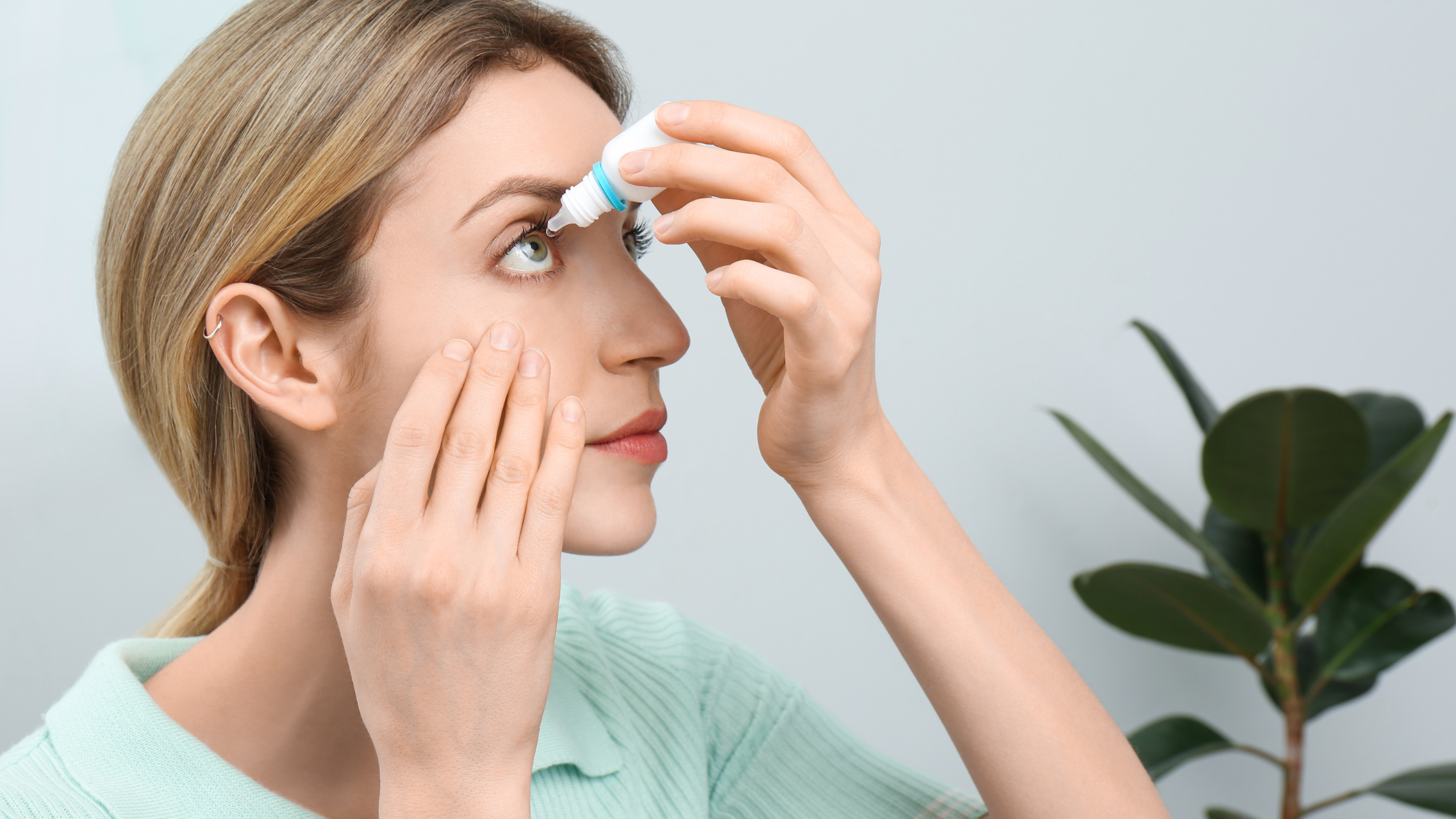
Wondering how to get rid of allergic conjunctivitis? The good news is that with the right approach, you can manage or even eliminate symptoms. Here are common allergic conjunctivitis treatment options, including both home remedies and specialist-prescribed solutions:
At-Home Remedies
- Avoid Allergens: Keep windows closed during high pollen seasons, use hypoallergenic bedding, and wash your hands and face after petting animals.
- Cold Compresses: Apply a cool, damp cloth to your eyes to reduce swelling and itching.
- Artificial Tears: These can flush allergens out of your eyes and provide temporary relief.
- Over-the-Counter Drops: Antihistamine or decongestant drops can help mild cases but don't overuse them, as they can sometimes worsen symptoms.
Specialist-Prescribed Treatments
- Prescription Eye Drops: Antihistamine drops (like olopatadine) or mast cell stabilizers (like cromolyn) can target inflammation and itching.
- Oral Antihistamines: For severe cases, specialists might prescribe pills like cetirizine or loratadine to reduce systemic allergic reactions.
- Steroid Eye Drops: For short-term use in severe cases, these can quickly reduce inflammation but require careful monitoring.
- Immunotherapy: Allergy shots or sublingual tablets can desensitize your immune system to specific allergens over time, offering long-term relief.
Tips for Managing Allergic Conjunctivitis
While waiting to see a specialist, or as part of your ongoing allergic conjunctivitis treatment, these tips can help you manage symptoms:
- Keep Your Environment Clean: Vacuum regularly, use allergen-proof mattress covers, and run a HEPA air purifier to reduce indoor allergens.
- Avoid Rubbing Your Eyes: Rubbing can worsen irritation and spread allergens. Instead, use a clean tissue or rinse your eyes with saline.
- Wear Sunglasses: Wraparound sunglasses can shield your eyes from pollen and dust when outdoors.
- Stay Hydrated: Drinking plenty of water can help thin mucus and reduce irritation.
- Monitor Pollen Counts: Check local pollen forecasts and limit outdoor time on high-pollen days.
When to Act: Don’t Ignore Persistent Symptoms
Allergic conjunctivitis might seem like a minor issue, but ignoring it can lead to complications like chronic discomfort or even damage to your eyes. In case of have severe and persistent symptoms affecting your life, rush to an allergic conjunctivitis specialist.
They can provide a clear diagnosis, rule out other conditions, and create a personalized plan to help you find relief.
Finding the Right Specialist
Not sure where to start? An allergist or ophthalmologist is your best bet. Allergists specialize in identifying and treating allergic conditions, while ophthalmologists focus on eye health and can address complications.
You can ask your primary care doctor for a referral or search for specialists in your area. Many offer telehealth consultations, making it easier to get expert advice without leaving home.
Final Thoughts
Allergic conjunctivitis can turn a simple day into a battle with itchy, red, watery eyes. While home remedies can help mild cases, persistent or severe symptoms call for the expertise of allergic conjunctivitis specialists. By recognizing the signs—chronic symptoms, vision changes, or ineffective over-the-counter treatments—you can take action to get the right allergic conjunctivitis treatment.
With professional help, you can learn how to get rid of allergic conjunctivitis symptoms and reclaim your comfort and clarity. Don’t let eye allergies impact your comfort. See a specialist today to get relief.


