


While allergies are a common nuisance, they can be seriously disruptive when they affect your eyes. If your eyes become red, itchy, and watery every time the pollen count increases or you pet a cat, chances are you have allergic conjunctivitis.
This condition, commonly referred to as eye allergies, is an inflammation of the conjunctiva — the clear, thin membrane that covers the white part of your eye and also lines the inside of your eyelids. It is caused by the overreaction of the immune system. The good news is that you can manage the signs once you know what you are dealing with.
In this blog, we will explore the symptoms of allergic conjunctivitis and discuss how to manage them.
What is Allergic Conjunctivitis, Anyway?
Think of it this way:
As a protective barrier, your body's immune system is like an alert security guard. When harmless substances such as pollen, dust mites, or pet dander (allergens) make their way into your eye, the guard mistakenly identifies them as a threat.
In response, your body generates a chemical known as histamine. Histamine causes all annoying allergy symptoms — it dilates the small blood vessels in your conjunctiva, resulting in redness, tearing, and itching.
It’s worth mentioning that allergic conjunctivitis isn’t contagious at all. You can’t ‘catch’ it from someone else. However, it is important to understand the allergic conjunctivitis symptoms for better prevention and treatment.
The Red Flags: Eye Allergy Symptoms You Shouldn’t Ignore
Allergic conjunctivitis symptoms usually affect both eyes and develop rapidly after you are exposed to an allergen. They can be acute (short and strong) and chronic (lasting longer, milder).
The Primary Trio of Symptoms:
Severe Itching (Pruritus): This is a key symptom. If itchy eyes are the problem, allergies are most likely to blame. The urge to rub them can be overwhelming.
Redness (Hyperemia): The white part of your eyes appears red or pink from the swollen blood vessels.
Watery Discharge (Tearing):Your eyes produce a clear, watery discharge, often in abundance, as they try to wash the allergen out.
Other Supporting Allergic Conjunctivitis Symptoms:
- Swollen Eyelids (Edema): Also, swelling that surrounds the eyes may be more pronounced in the morning.
- A Gritty or Burning Feeling: As though you’ve got sand in your eye, or that there is a foreign object in there.
- Sensitivity to Light (Photophobia): You may have increased sensitivity to bright lights.
- Other Allergy Symptoms: Eye symptoms frequently happen along with hay fever symptoms, such as a runny nose, sneezing, and nasal congestion.
Different Types, Different Triggers
Allergic conjunctivitis isn't one-size-fits-all. Awareness of the type can certainly help you identify what triggers your trigger and better manage it:
Seasonal Allergic Conjunctivitis (SAC):
This is the most common type. It flares up only during certain times of the year — spring (tree pollen), summer (grass pollen), or fall (weed pollen). Symptoms are typically predictable, and they go away when the season is over.
Perennial Allergic Conjunctivitis (PAC):
These allergies occur throughout the year. They are typically triggered by indoor allergens like dust mites, pet dander, and mold. Symptoms tend to be milder but persistent.
Giant Papillary Conjunctivitis (GPC):
A more serious, long-term condition that often involves a foreign body in the eye, such as contact lenses that have not been cleaned properly, or occasionally prosthetic eyes. It forms large, raised growths (papillae) on the inside of the upper eyelid.
Contact Dermatoconjunctivitis:
An allergic response to something that has come into contact with the eyelid or eye, like makeup, preservative drops, or some medications.
Your Eye Allergy Action Plan: Easy Relief Strategies
The good news is that all but the most severe cases can likely be managed at home, though you should always consult a doctor if your symptoms are very serious or persistent.
These strategies depend upon 3 key strategies: Avoidance, Relief, and Medication.
Avoidance: The First Line of Defence
You won't react if you don't meet the allergen. This is the most important and difficult part.
- Stay Indoors (Seasonal Allergies): Keep windows and doors closed on high pollen count days. If you have it, use air conditioning, preferably a unit that recirculates the indoor air.
- Wear Protection: When outdoors, wear wraparound sunglasses to help protect your eyes from airborne allergens.
- Cleanliness is Key (Seasonal Allergies): Wash bedding often in hot water to kill dust mites. Use allergen-proof covers for mattresses and pillows. Vacuum with a HEPA filter.
- Post-Exposure Rituals: Change your clothes and shower after being outside to get the pollen out of your hair and skin.
Immediate Relief: Soothing the Burn
Try these easy steps at the first sign that an attack might be on its way.
- Stop Rubbing: Rubbing can worsen itching and swelling as it releases more histamine. Resist the urge.
- Cold Pack: Apply a cold pack over your affected eyelids for five to ten minutes. The cold narrows blood vessels and numbs the itch or pain.
- Flush Your Eyes: Wash allergens out of your eyes and keep them moist with preservative-free saline solution or artificial tears. To make it even more soothing, store the drops in the refrigerator.
Over-the-Counter (OTC) Medication
For ongoing or moderate symptoms, there are several OTC eye drops as part of the treatment for allergic conjunctivitis:
- Antihistamine Cleansed Drops: They prevent the action of histamine and thus bring rapid relief from itching. They are most appropriate for acute, sudden-onset reactions. Example: Ketotifen (available in many popular OTC allergy eye drops).
- Decongestant Drops: These cause the small vessels in your eyes to contract, so there is less redness. Use sparingly (never more than two to three days in a row) since overuse can result in the rebound effect of redness coming back worse than before.
- Artificial Tears: Not a medicine, they rinse away allergens and lubricate the eye from irritation. They can be used as often as needed.
When to See a Doctor
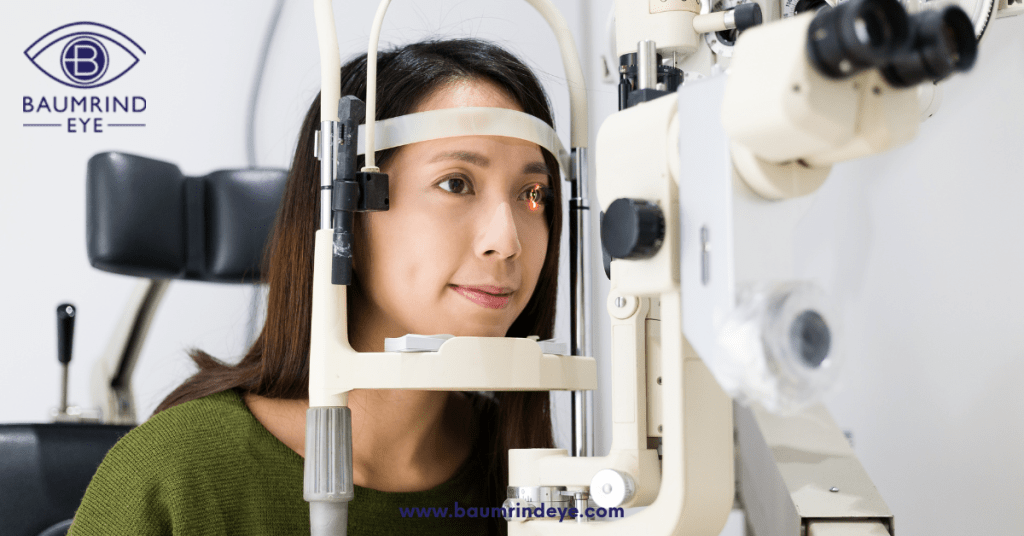
Although many symptoms can be treated at home, some require the assistance of an ophthalmologist (a medical doctor who specializes in eye care) or optometrist.
Experiencing these symptoms means it is time to see a doctor.
- Serious Pain: Allergies should not hurt a lot. This might mean something more serious is going on.
- Vision Changes: Any decrease in vision or extreme sensitivity to light needs immediate evaluation.
- Thick or Green/Yellow Discharge: This is a bacterial infection (bacterial conjunctivitis, or “pink eye”) and not an allergy; it requires antibiotic drops.
- Symptoms Unresponsive to OTC Treatment: If medication and precautions don’t work, you need to see your eye doctor right away.
- Contact Lens Wearers: If you wear contacts and have eye allergies, take the contacts out and switch to glasses. Your doctor may have to prescribe drops for you specifically or recommend a different lens care routine.
Living with Eye Allergies
Managing allergic conjunctivitis relies on two things: proactivity and following the routine. It takes you to understand your triggers first—is it caused by the season or the bedroom dust? It helps you take steps before the irritation starts. Remember to see your eye doctor if symptoms get worse or nothing seems to work. At Baumrind Eye, we help you get quick relief from allergic conjunctivitis and other eye issues.
FAQs
What are common allergic conjunctivitis symptoms?
The key allergic conjunctivitis symptoms include severe eye itching, reddening, watery eyes, and occasionally eyelid swelling.
How to tell if it is allergic conjunctivitis or not?
Allergic conjunctivitis is characterized by serious itchiness and typically involves both eyes, among other allergy symptoms (such as sneezing), unlike a contagious infection that brings thick discharge and may begin in one eye.
What is the cause of allergic conjunctivitis?
It is caused by the immune system overreacting to harmless substances in the air known as allergens, including pollen, dust mites, pet dander, or mold.
Is conjunctivitis due to allergic causes contagious?
No, allergic conjunctivitis is an immune reaction, and it is impossible to transmit it between people.
What is the duration of allergic conjunctivitis?
It may be short-lived (a few hours after exposure), seasonal (a few weeks), or lifelong (perennial), depending on the cause of the allergen.


