


Our eyes are important sensory organs. They help us see the world around us. Everything from reading a book to driving a car — clear eyesight helps make life both easy and secure.
But eyesight is something that many ignore until it becomes problematic. Scheduling visits to an eye doctor is important for keeping good eye health. This is where a family eye clinic can help. As the name suggests, they take care of patients of all ages, from kids to the elderly in the family. They specialize in the prevention, detection, and treatment of eye problems so you can always see straight.
Let’s discuss the role of a family eye clinic in detecting and managing some of the common vision issues.
Why You Should Opt for Regular Eye Examinations
Routine eye exams are one of the best ways to detect vision problems before they become serious. Basically, these check-ups are similar to health check-ups, but all about your eyes.
Your eye doctor performs a comprehensive eye exam to check the health of your eyes. Maybe there is a problem lurking inside that is likely to get worse. Also, eye examination is important for children as any issue in their vision can affect learning development.
The regular eye exam is required even though there are no symptoms of vision problems. It helps recognize early-stage degenerative changes in adults, before they worsen.
Understanding Common Vision Problems
Before diving into how a family eye clinic can help, let’s walk through some common vision problems.
- Near-sightedness, also known as myopia, is a condition where things in the distance tend to look blurry. This is a common eye problem in kids who spend excessive time in front of screens.
- And then there is hyperopia, or farsightedness, where it becomes difficult to do close-up work such as reading. Blurred vision at any distance caused by an abnormally shaped cornea is called astigmatism.
- Presbyopia happens when we age. It makes it challenging to focus on nearby objects.
- Glaucoma is a critical eye concern that damages the optic nerve and can cause blindness if untreated.
- Cataracts cloud the eye's lens, causing hazy vision, and are common in older adults.
- Dry eye syndrome, where eyes don't produce enough tears, can cause discomfort and irritation.
- Diabetic retinopathy affects the vision of diabetic patients by damaging blood vessels in the retina.
The good news is that seeing your eye doctor can help prevent most of these diseases in the initial stages.
How Family Eye Clinic Helps with the Detection of Vision Problems.
Detection is the first step in dealing with eye health, and an eye clinic can do great at this. Optometrists and ophthalmologists specialize in eye care, so they have specialized equipment to diagnose you with ease.
For example, during an exam, they might use a slit lamp to magnify the front of the eyes. It enables them to check the eyes for cataracts or dry eyes. Then there is a test called tonometry to measure eye pressure to detect glaucoma. Retinal images are used when there is a need to take pictures of the back of your eyes, detecting retinopathy or macular degeneration without an invasive process.
A good family eye clinic knows how to take care of its younger patients. For example, they have picture charges instead of letters to test kids' vision.
Handling and Addressing Typical Sight Problems
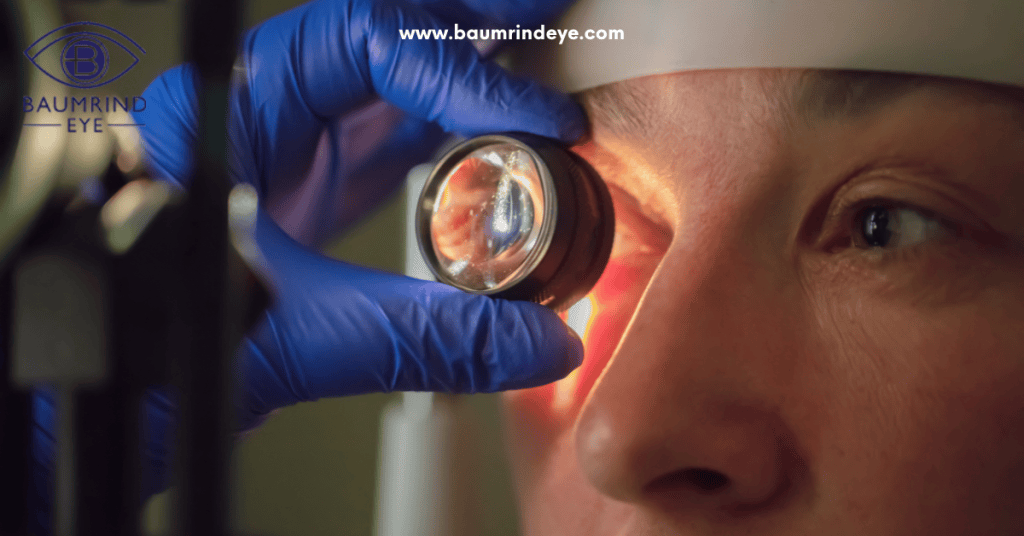
After identifying a problem, your eye doctor helps with management and treatment.
In the case of refractive errors (near-sightedness, astigmatism, and so on), they often prescribe eyeglasses or contact lenses. For presbyopia, they suggest bifocals or progressive lenses, which offer continuous vision correction. The prescribed eye drops are to restore moisture in dry eyes. For glaucoma, they try to lower eye pressure and, if necessary, refer you to specialists for laser therapy or surgery.
Importance of Full Eye Care
Generally, a family eye clinic provides comprehensive eye care. It means that you can find everything from the most basic check-ups to complex treatments in one place. Such a seamless service saves your time and offers you continuity—you have your records in one place and the team knows your prior history.
Vision therapy is a treatment for some conditions, such as lazy eye in kids, which features exercises that improve muscle tone in the eye, as part of comprehensive eye care. For elderly adults, low-vision aids such as magnifiers can optimize their vision for clarity.
Handling Emergency Eye Care Situations
You never know when an eye emergency will happen. Many family eye clinic offers emergency care for issues like sudden vision loss or an infection causing redness and pain. They often provide after-hours services or on-call doctors for urgent cases. They can remove debris, prescribe antibiotics for infections, or stabilize injuries before referring to a hospital if needed.
You can easily find these eye clinics in your locality, saving you time when an eye emergency occurs.
Advantages of a Family Eye Clinic Compared To A Regular Eye Clinic
While a regular eye clinic provides basic services, a family eye clinic has a more customized approach. They accept patients of all ages. In fact, they have a welcoming environment for kids to make their younger patients feel more comfortable with them.
Convenience is another benefit—group appointments mean one trip for the whole family. They also build long-term relationships that last for decades.
The record of eye health of your family members stays in one place, making it easy for any new doctor to understand your history of eye conditions and treatment.
Over to You…
A family eye clinic is your trusted partner when it comes to maintaining the health of your eyes. From detecting near-sightedness in kids to helping seniors with glaucoma, they offer expert care that is accessible and friendly.
If you are looking for a family eye clinic in Atlanta, look no further than Baumrind Eye. Conveniently located in Atlanta, we provide tailored eye care for all family members in a setting backed by experienced staff and advanced technology.
Get in touch now!


