


Allergic eye conditions affect millions of people worldwide, causing discomfort that can interfere with daily life, school, and outdoor activities. Finding the right allergic conjunctivitis treatment is essential not only for short-term relief but also for protecting long-term eye health. This guide explores proven strategies, lifestyle adjustments, and medical approaches to help manage symptoms safely and effectively over time.
Understanding Allergic Conjunctivitis
Allergic conjunctivitis occurs when the eyes react to allergens such as pollen, dust mites, mold, or pet dander. The immune system releases histamines, leading to redness, itching, tearing, and swelling. Choosing the right allergic conjunctivitis treatment depends on identifying triggers and understanding whether symptoms are seasonal or year-round.
Unlike infections, allergic conjunctivitis does not damage the eye permanently when managed correctly. However, untreated symptoms may cause frequent irritation, difficulty concentrating, and sensitivity to light. Common triggers include pollen from trees, grasses and weeds, especially during spring and summer seasons.
Common Symptoms and Triggers
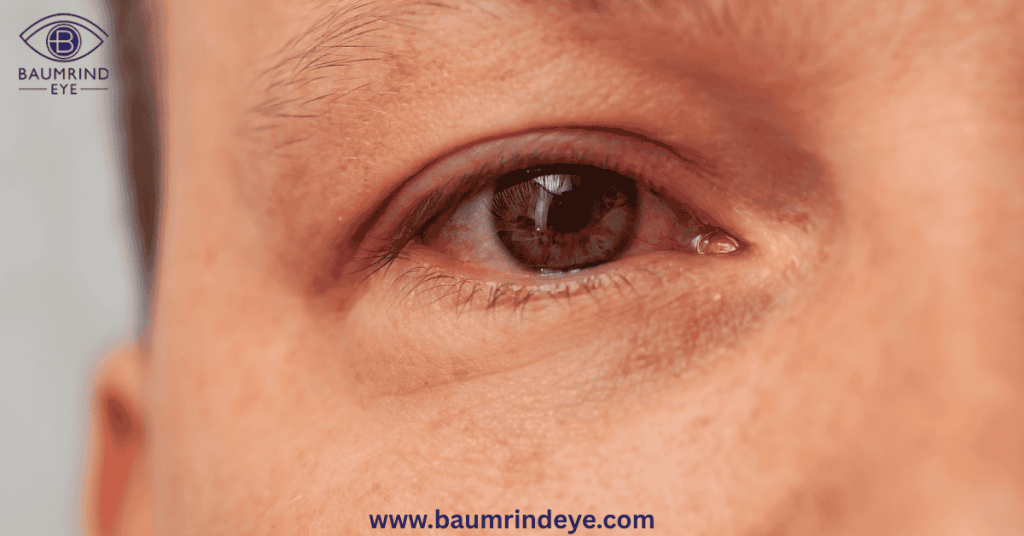
Typical symptoms include red eyes, itching, burning sensations, excessive tearing, and puffy eyelids. Many people search for an effective itchy eye treatment when these symptoms flare up, especially during allergy seasons.
Triggers may include:
- Tree, grass, or weed pollen
- Dust mites
- Animal dander
- Smoke and air pollution
- Contact lenses or eye makeup (in sensitive individuals)
Understanding personal triggers helps tailor an appropriate allergic conjunctivitis treatment plan.
Types of Allergic Conjunctivitis
Seasonal Allergic Conjunctivitis
This type appears during specific times of the year, usually spring or fall, when pollen counts are high. A focused seasonal eye allergy treatment may involve preventive steps before allergy season begins.
Perennial Allergic Conjunctivitis
Symptoms occur throughout the year and are often linked to indoor allergens like dust or pet hair. A consistent perennial allergic conjunctivitis treatment is key for long-term comfort and symptom control. Learn about allergic conjunctivitis symptoms, causes, and effective treatment options from Baumrind Eye Care’s trusted team of experienced eye specialists. Discover home remedies and tips to soothe itchy, irritated eyes and manage allergic conjunctivitis symptoms with guidance from Baumrind Eye Care.
Medical and Non-Medical Treatment Options
A comprehensive allergic conjunctivitis treatment approach often combines lifestyle changes with medical support.
1. Avoidance and Environmental Control
Reducing exposure to allergens is the first step. Keeping windows closed during high pollen days, using air purifiers, and washing hands and face after outdoor exposure can significantly reduce symptoms.
2. Cold Compresses and Eye Hygiene
Applying a clean, cold compress over closed eyes can soothe irritation and reduce swelling. Gentle eyelid cleaning helps remove allergens that cling to lashes and skin, supporting natural eye comfort.
3. Eye Drops and Medications
Over-the-counter antihistamine or mast-cell stabilizer eye drops are commonly recommended. These drops help reduce redness, itching, and tearing and are considered reliable eye allergy treatment options when used as directed.
For more severe cases, healthcare providers may suggest prescription drops for a structured allergic conjunctivitis treatment plan.
Managing Watery Eyes and Swelling
Excessive tearing is a common complaint, and finding the right watery eyes allergy treatment often involves a combination of allergen avoidance and medicated drops. Swelling around the eyes may occur due to inflammation, and a gentle swollen eyelids treatment such as cold therapy and rest can be effective.
Avoid rubbing the eyes, as this can worsen inflammation and prolong symptoms.
Long-Term Comfort and Prevention Strategies
Long-term success with allergic conjunctivitis treatment relies on consistency. Simple habits can make a big difference:
- Replace pillowcases frequently
- Shower after outdoor activities
- Avoid known irritants like smoke
- Take breaks from screens to reduce eye strain
Maintaining these routines helps minimize flare-ups and supports overall eye health.
When to Seek Professional Help
If symptoms persist despite home care, or if vision becomes blurred or painful, it’s important to consult an eye care professional. They can confirm the diagnosis and adjust your allergic conjunctivitis treatment to ensure safety and effectiveness.
Conclusion
Living with eye allergies can be challenging, but with the right allergic conjunctivitis treatment, long-term comfort is achievable. By understanding triggers, choosing suitable therapies, and maintaining healthy habits, individuals can protect their eyes and reduce recurring discomfort. Consistency, awareness, and timely care remain the foundation of effective allergic conjunctivitis treatment for lasting relief. Visit Baumrind Eye Care for expert treatment, personalized eye health solutions, and advanced care focused on clear vision and lasting comfort. Contact Baumrind Eye Care today to schedule appointments, ask questions, or get professional support for all your eye health concerns.
FAQs:
How to get rid of pink eyes?
Pink eye can be caused by allergies, bacteria, or viruses. Allergic pink eye improves by avoiding triggers and following an appropriate Allergic Conjunctivitis Treatment, while infectious types may require medical evaluation.
What causes swelling under one eye?
Swelling under one eye can result from allergies, fluid retention, irritation, or minor injury. Allergic reactions often cause localized swelling that improves with cold compresses and proper care.
How to cure burning watery eyes?
Burning watery eyes are often linked to allergies or dryness. Identifying triggers, using recommended eye drops, and following a structured Allergic Conjunctivitis Treatment plan can bring relief.
How to relieve itchy eyes?
Avoid rubbing, rinse allergens away with clean water, apply cold compresses, and use allergy-specific eye drops as advised.
Is allergic conjunctivitis contagious?
No, allergic conjunctivitis is not contagious. It is caused by an immune response to allergens, not by bacteria or viruses.


