


Allergic conjunctivitis is a common condition that occurs when the eyes become irritated due to allergens such as pollen, pet dander, or dust. It's typically accompanied by symptoms like red, itchy, watery eyes, and swelling. While the condition can be bothersome, there are several allergic conjunctivitis remedies you can try at home to help soothe your symptoms and find relief. In this blog, we’ll explore a variety of home remedies for itchy eyes caused by allergic conjunctivitis, along with tips to avoid triggers and maintain eye health.
What Is Allergic Conjunctivitis?

When your eyes react to environmental allergens, you get allergic conjunctivitis. Your immune system releases histamines, which irritate and inflame your eyes when it recognizes these allergens. This inflammation leads to the red, itchy, and watery eyes commonly associated with the condition.
Unlike viral or bacterial conjunctivitis, allergic conjunctivitis is not contagious. It is more of an immune system response to certain irritants, and while it can be uncomfortable, it can usually be managed with simple home remedies.
Common Symptoms of Allergic Conjunctivitis
- Itchy or burning eyes
- Redness in the eyes
- Watery eyes
- Swollen or puffy eyelids
- Sensitivity to light
If you’re experiencing any of these symptoms, you're likely dealing with allergic conjunctivitis. While it can be difficult to avoid allergens entirely, there are several ways to relieve symptoms and prevent flare-ups.
Home Remedies for Itchy Eyes and Allergic Conjunctivitis
1. Cold Compress for Immediate Relief
One of the quickest and easiest home remedies for itchy eyes is the cold compress.
The burning or itchy feeling that frequently accompanies allergic conjunctivitis can be relieved and inflammation reduced by applying a cool compress.
This is how you can use it:
- Use cold water to soak a fresh washcloth.
- After wringing it out, cover your closed eyes with it for ten to fifteen minutes.
As needed, repeat this procedure multiple times throughout the day.
2. Warm Compress to Remove Discharge
If your eyes are producing sticky discharge or crust, especially in the mornings, a warm compress can be helpful. Warm compresses can help loosen any crust on your eyelashes or eyelids and ease the discomfort caused by allergic conjunctivitis.
To use a warm compress:
- A fresh washcloth should be soaked in warm water, not hot.
- For ten to fifteen minutes, cover your eyes with the cloth.
- Do this several times a day, particularly if you have sticky or crusting discharge.
This remedy can help relieve the irritation caused by the buildup of mucus in the eyes, allowing you to feel more comfortable.
3. Rinse Your Eyes with Water
If allergens like pollen or dust irritate your eyes, rinsing your eyes with cold or lukewarm water can help clear out the particles and provide relief. This is especially useful if you’ve been in a dusty or pollen-filled environment.
Here’s how to do it:
- Fill a clean cup or bowl with cool or lukewarm water.
- Gently splash or rinse your eyes with the water for about 5 minutes.
- Alternatively, you can use a clean eye wash cup to gently rinse your eyes.
Rinsing your eyes helps remove allergens and irritants, which can alleviate discomfort and prevent further irritation.
4. Avoid Rubbing Your Eyes

When your eyes are itching, it may be tempting to massage them, but doing so might exacerbate the symptoms of allergic conjunctivitis. More histamines may be released when you rub your eyes, which can exacerbate irritation, redness, and edema.
Instead, try using a cold compress or lubricating eye drops for relief.
If your eyes are extremely itchy, try distracting yourself with another activity like reading or watching TV, and avoid touching your eyes. This can help reduce the temptation to rub.
5. Over-the-counter lubricating Eye Drops
Using lubricating eye drops, sometimes referred to as fake tears, is another efficient at-home treatment for irritated eyes. These drops can help remove irritants or allergies from your eyes while also keeping them moist.
You can find over-the-counter eye drops at your local pharmacy. Look for those labeled as "allergy relief" or "lubricating" to help ease discomfort. Be sure to choose preservative-free drops, especially if you use them frequently, to avoid further irritation.
6. Keep Your Home Clean and Allergen-Free
Reducing your exposure to allergens in your environment is a crucial step in managing allergic conjunctivitis.
You can reduce symptoms and avoid flare-ups by maintaining a clean and allergy-free house.
Here are some suggestions:
- Reduce Pollen Exposure: To keep pollen out of your house during the busiest allergy seasons, keep doors and windows closed. To assist filter out allergies, utilize air purifiers if at all possible.
- Regularly vacuum and dust: Dust can easily build up and cause symptoms of allergies. Regularly vacuum your upholstery, carpets, and floors. To capture tiny particles, think about utilizing a vacuum with a HEPA filter.
- Treat Mold and Mildew: Mold is a common indoor allergen. Clean and treat areas prone to mold, such as bathrooms, basements, and windowsills, with mold-resistant products.
- Wash Bedding and Curtains: To get rid of allergens, wash your blankets, sheets, and pillowcases in hot water once a week. Think about covering pillows and mattresses with allergen-proof materials.
By controlling allergens in your home, you can significantly reduce the likelihood of allergic conjunctivitis flare-ups.
7. Take Antihistamines
While antihistamines are usually taken orally, they can be very effective in treating allergic conjunctivitis. Over-the-counter oral antihistamines like loratadine (Claritin) or cetirizine (Zyrtec) can help reduce the histamine response that causes itching and irritation in your eyes.
In addition, antihistamine eye drops are available to target the allergic reaction directly in the eyes. These drops can provide quick relief for itching and redness.
8. Avoid Contact Lenses During an Outbreak
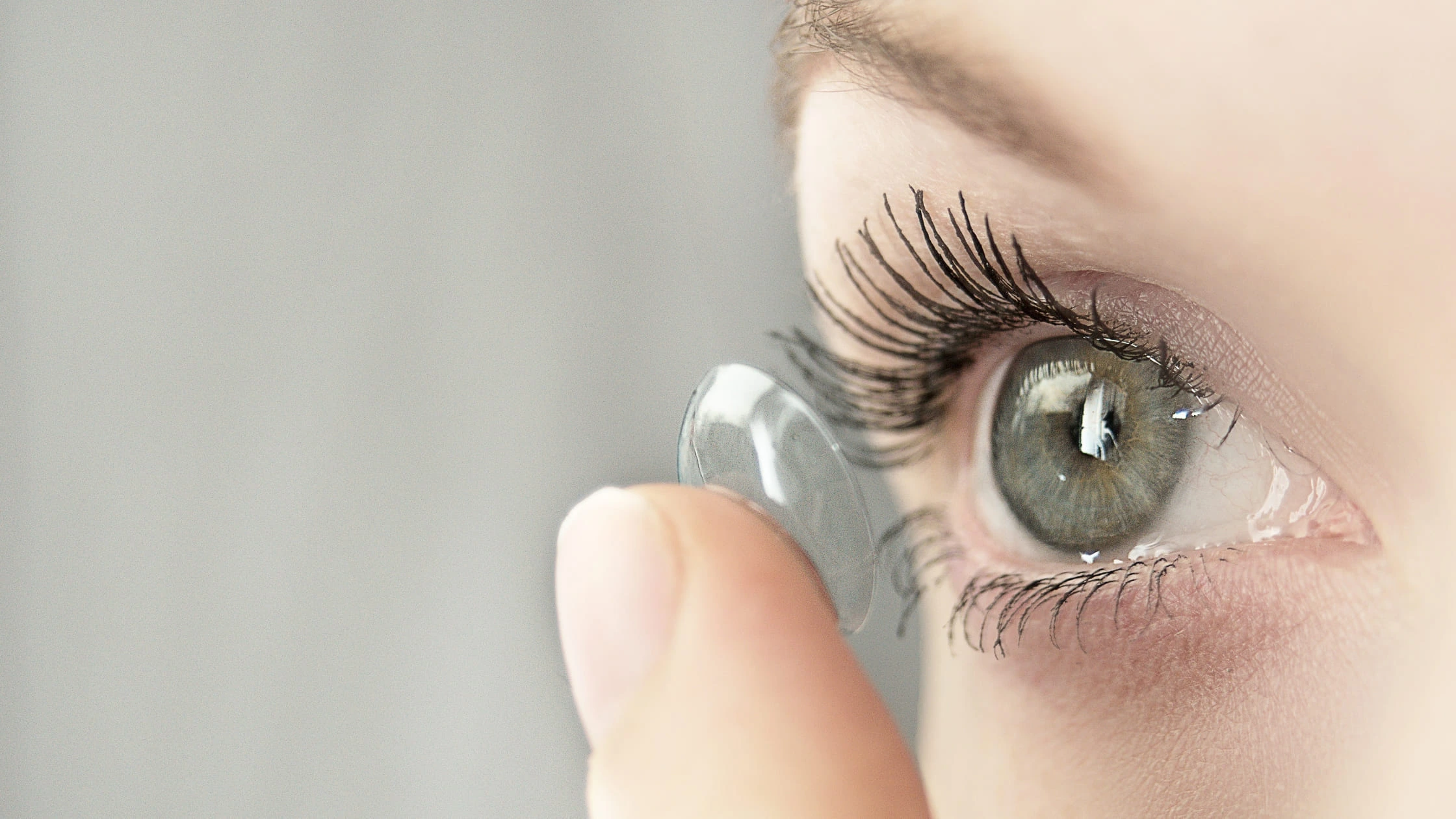
If you wear contact lenses, it’s important to avoid using them when experiencing allergic conjunctivitis. Wearing contact lenses during an allergy flare-up can aggravate irritation and prolong your symptoms. Switch to glasses while your symptoms subside.
Additionally, ensure that you disinfect your contact lenses and their cases thoroughly, or discard them entirely if they have been exposed to allergens.
Preventing Allergic Conjunctivitis Flare-Ups
While home remedies can provide relief, it’s important to avoid triggers whenever possible. Here are a few tips to prevent allergic conjunctivitis flare-ups:
- Know Your Triggers: If you’re allergic to pollen, dust, mold, or pet dander, try to limit exposure to these allergens as much as possible.
- Monitor Pollen Levels: Stay informed about pollen levels in your area, especially during allergy season. Avoid outdoor activities when pollen counts are high.
- Use Allergy Medications: If you know you’re prone to allergic reactions, consider taking allergy medications like antihistamines or nasal sprays to reduce symptoms before they begin.
Conclusion
Allergic conjunctivitis can be uncomfortable, but with the right home remedies, you can find relief from itchy, red, and irritated eyes. Using compresses, rinsing your eyes, and avoiding triggers can go a long way in soothing your symptoms. In addition, over-the-counter eye drops, regular cleaning, and lifestyle changes can help reduce the frequency of flare-ups.
By incorporating these allergic conjunctivitis remedies into your routine, you can manage your symptoms and improve your overall eye health. If your symptoms worsen or continue, you should always see an eye care specialist. They can provide you with individualized treatment options to help you feel better.


