


Glaucoma medication plays a crucial role in managing glaucoma, a term used for the collection of eye diseases that damage the optic nerve. It leads to vision loss and blindness. It is caused by the elevated pressure of fluid buildup inside the eye, known as aqueous humor, which doesn't drain properly.
Glaucoma has many categories such as primary open-angle glaucoma, primary angle closure glaucoma, secondary glaucoma, and congenital glaucoma.
While glaucoma is not curable, regular checkups and glaucoma medications can help manage the symptoms and keep glaucoma from getting worse. Your glaucoma medication aims to lower the pressure in your eye and protect your optic nerve from damage.
Let’s walk through some common glaucoma medicines.
Why Glaucoma Medications Are Important
If left untreated, glaucoma can lead to permanent vision loss, even blindness. Since many people don’t have any symptoms early on, it’s important to take glaucoma medications as prescribed by your eye doctor. These medications work to either lower the amount of fluid your eye produces or help the fluid drain better. Both methods reduce the pressure in your eye.
Glaucoma treatments often start with eye drops that help your eyes drain better. If they don’t work, your doctor may opt for additional therapies for you.
Types of Glaucoma Medications
Here’s a look at the most common types of medications used to treat glaucoma. Each type works differently and may have unique side effects.
A. Eye Drops
1. Prostaglandin Analogs
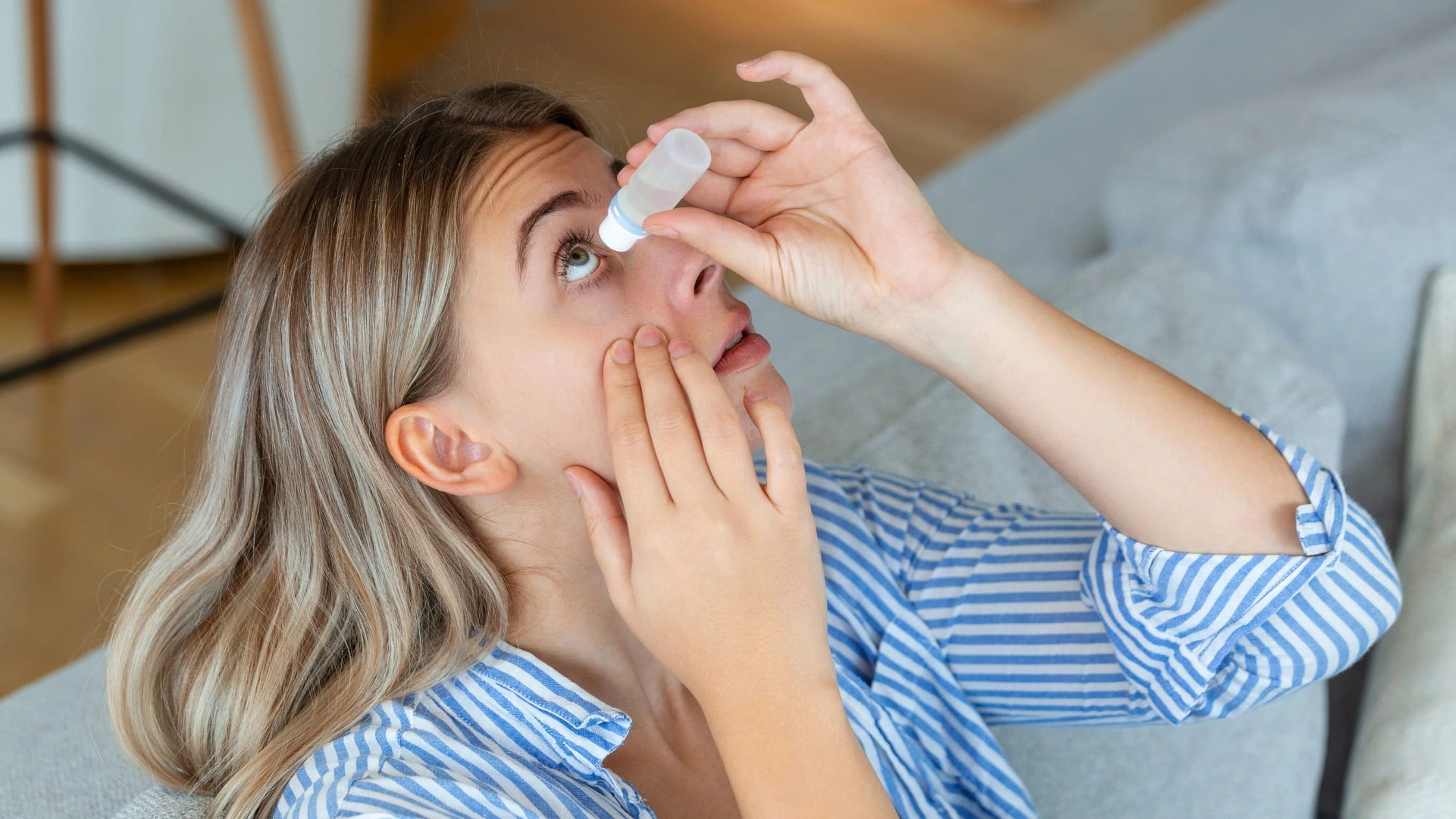
Prostaglandin analogs are usually the first type of glaucoma medication doctors recommend. These eye drops help drain fluid from your eyes through natural pathways, reducing the pressure inside your eye.
- Examples: Bimatoprost (Lumigan), Latanoprost (Xalatan), Tafluprost (Zioptan), Travoprost (Travatan Z).
- Side Effects: They might cause your eyelashes to grow longer (which some people like!), or they could change the color of your iris (the colored part of your eye). Other side effects include redness, stinging, blurry vision, and itching.
2. Beta Blockers
Beta-blockers reduce the amount of fluid your eye makes. These medications help lower pressure but might also affect other parts of your body since they can enter your bloodstream.
- Examples: Betaxolol (Betoptic), Timolol (Timoptic).
- Side Effects: Some people notice their heart rate slows down or feel tired. These drops can also sometimes make breathing harder for people with asthma or other lung conditions.
3. Alpha-adrenergic agonists
These drops work double duty – they help reduce fluid production and improve fluid drainage. Alpha-adrenergic agonists are another option for lowering eye pressure.
- Examples: Apraclonidine (Iopidine), Brimonidine (Alphagan P).
- Side Effects: You might feel your eyes burn or get drowsy. Other common effects are headaches, dry mouth, or irregular heartbeats.
4. Carbonic Anhydrase Inhibitors
These drops are less commonly used but can still be effective. They slow down the production of fluid in your eye.
- Examples: Brinzolamide (Azopt), Dorzolamide (Trusopt).
- Side Effects: Some people feel stinging or experience blurry vision. Sometimes, these drops leave a bitter taste in your mouth, which can be unpleasant.
5. Combined Eye Drops
Doctors sometimes recommend using two different types of drops together to keep your eye pressure in check. These combined medications make it easier to stick to your treatment plan since you only need one bottle instead of two.
- Examples: Timolol with Dorzolamide (Cosopt), Brimonidine with Timolol (Combigan).
- Side Effects: The side effects will depend on the two medications combined in the drops.
6. Cholinergic Agents
These are older medications that aren’t used as much today. Cholinergic agents help increase the drainage of fluid by shrinking the size of your pupil.
- Example: Pilocarpine (Carpine, Isopto).
- Side Effects: These drops might make your vision blurry or dim, especially in low light.
B. Pills

If eye drops don’t work well for you, your doctor might prescribe oral medications instead. These are usually carbonic anhydrase inhibitors, which work to slow the production of fluid in the eye.
- Examples: Acetazolamide (Diamox), Methazolamide (Neptazane).
- Side Effects: Because these medications go through your whole body, they can cause fatigue, upset stomach, tingling in your hands and feet, and sometimes memory problems.
Is Glaucoma Hereditary?
Many people wonder if glaucoma runs in families. The answer is yes – glaucoma can be hereditary. This means if your parents or other family members had glaucoma, you might be more likely to develop it too. That’s why it’s important to tell your doctor if glaucoma is common in your family. Regular eye check-ups can catch glaucoma early and prevent it from damaging your eyesight.
Tips for Using Glaucoma Medication

Taking your medications as directed is critical for protecting your vision. Here are some tips to help you stay on track:
1. Set a Schedule
Whether it’s first thing in the morning, during lunch, or before bed, consistent timing ensures that you never miss a dose and keeps your treatment effective.
2. Don’t Skip Doses
Skipping your medication can lead to serious consequences, like increased pressure in your eye that may lead to further damage or even vision loss. Make it a priority to take your medication as prescribed by your doctor.
3. Tell Your Doctor About Side Effects
If you experience any side effects from your eye medication, such as irritation, redness, or discomfort, don't hesitate to inform your doctor. They can adjust your medication, and dosage, or recommend an alternative treatment to best suit your needs.
4. Store Medication Safely
Make sure to store your medication in a cool, and dry place or as directed on the packaging. Always keep them away from children.
Final Thoughts
Glaucoma medications are an important tool for managing the disease and protecting your vision. By lowering the pressure in your eye, these medications help keep your optic nerve safe. While some medications can cause side effects, there are many options to choose from. If one doesn’t work for you, your doctor can help you find another.
Remember, glaucoma is often hereditary, so being aware of your family history can help you take early steps to protect your eyes. Always follow your doctor’s advice, stick to your medication plan, and get your eyes checked regularly to catch any changes early. Your vision is worth it!


