


Your diet plays a significant role in your overall health, including the health of your eyes.
While many foods can benefit your vision, others can harm it. In this blog, we’ll explore some common foods that could negatively impact your eye health and the reasons why they should be avoided.
Understanding the connection between what you eat and how it affects your vision is an essential step toward preserving your eye health for years to come.
Here is a rundown of foods you should avoid or cut down on to maintain the health of your eyes.
High-Sodium Foods
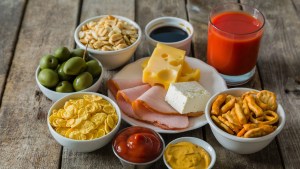
Consuming too much salt, or sodium, can raise your blood pressure, which in turn, can have detrimental effects on your eye health. High blood pressure is a major risk factor for developing cataracts and can also lead to a condition known as hypertensive retinopathy.
This occurs when high blood pressure damages the blood vessels in the retina, potentially leading to vision impairment or even blindness if not managed properly.
Foods that are typically high in sodium include processed items like pickles, hot dogs, bacon, deli meats, and canned foods.
These foods may taste good, but they can cause long-term harm to your eyes and overall health. To reduce your sodium intake, try to avoid heavily processed foods and opt for fresh, whole ingredients instead. Using herbs and spices to flavor your meals can be a healthier alternative to adding salt.
Simple Carbohydrates

Simple carbohydrates, such as white bread, pasta, and rice, are staples in many diets, but they can hurt your eye health.
These foods are processed and have been stripped of vital nutrients, vitamins, and fiber. When consumed, simple carbs are quickly digested and absorbed by the body, causing a rapid spike in blood sugar levels. Over time, this spike can contribute to several serious eye conditions, such as diabetic retinopathy, macular degeneration, and cataracts.
Diabetic eye diseases occur when high blood sugar damages the blood vessels in the eyes. This can lead to vision loss if left untreated. Additionally, macular degeneration, a condition that causes central vision loss, and cataracts, which lead to clouded vision, have both been linked to long-term high blood sugar levels.
To protect your eyes, it’s important to limit simple carbs in your diet. Instead, focus on whole grains, such as brown rice, whole-wheat bread, and oats, which are slower to digest and provide more nutrients and fiber.
Also Read - Think It’s Just Eye Floaters? Discover What Else Could Be Lurking!
Condiments, Toppings, and Dressings
While condiments, toppings, and dressings may seem like small additions to your meals, many of them are packed with unhealthy fats, sugars, and salt, all of which can negatively affect your eye health. Items such as mayonnaise, salad dressings, and jelly are often loaded with fats that contribute to weight gain, high cholesterol, and poor circulation, all of which can harm your eyes over time.
Although these items can enhance the flavor of your food, it’s important to be mindful of the quantity and types of condiments you use. Opt for healthier alternatives like homemade dressings made from olive oil, balsamic vinegar, and herbs. You can also try using hummus or avocado as a spread instead of mayonnaise. Making small swaps in your diet can have a significant positive impact on your eye health.
Sugary Drinks
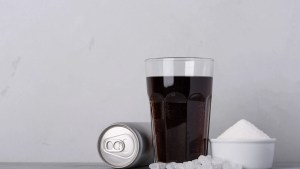
Sugary drinks, including soda, sports drinks, and energy drinks, are some of the worst offenders when it comes to eye health. These beverages are packed with sugar, which can contribute to weight gain, obesity, and an increased risk of developing diabetes. High blood sugar levels are a known risk factor for diabetic retinopathy, a condition that can cause blindness if left untreated.
Furthermore, sugary drinks can lead to increased inflammation in the body, which can affect the delicate tissues in your eyes. This can accelerate the progression of eye diseases, such as cataracts and age-related macular degeneration.
To protect your eyes and overall health, it’s best to avoid sugary drinks and choose healthier options like water, herbal teas, or drinks sweetened with natural alternatives like stevia. If you do want a bit of sweetness, try adding fresh fruit or a splash of lemon to your water for flavor.
Saturated and Trans Fats
Saturated and trans fats are often found in foods like red meat, fried foods, baked goods, and dairy products. These fats can raise your cholesterol levels and cause your arteries to become clogged. This can lead to restricted blood flow, which is harmful to your eyes. Healthy blood circulation is crucial for maintaining the health of your eyes, as it helps deliver essential nutrients and oxygen to the eye tissues.
Moreover, saturated and trans fats can interfere with nutrient absorption in the body, depriving your eyes of the vitamins and minerals they need to stay healthy. For example, omega-3 fatty acids, which are essential for eye health, are often blocked by the presence of these unhealthy fats.
To maintain optimal eye health, it’s a good idea to reduce your intake of foods high in saturated and trans fats. Instead, focus on incorporating healthy fats into your diet, such as those found in fish, avocados, nuts, and seeds. These healthy fats support better blood circulation and help your eyes receive the nutrients they need.
Eat a Healthy Diet to Improve Your Eyesight
Living a healthy lifestyle is important for better vision.
Fish oil, which is high in omega-3 fatty acids, is great for eye health. It can also help prevent dry eyes, especially from too much screen time.
Foods like citrus fruits and leafy vegetables, which are rich in Vitamin C, are good for your eyes. To protect your eyes as you age, eat foods like carrots and sweet potatoes, which are high in Vitamin A and Vitamin E. A balanced diet not only keeps you healthy but also helps prevent eye problems.
Key Takeaway
Your eye health is closely linked to what you eat. By reducing your intake of certain foods, such as simple carbohydrates, high-sodium options, unhealthy fats, and sugary drinks, you can help protect your eyes from potential damage.
Instead, focus on a diet rich in vegetables, lean proteins, whole grains, and healthy fats. Not only will these foods nourish your body, but they will also support the health of your eyes.
Incorporating a balanced, nutrient-rich diet is one of the best things you can do for your long-term vision. By making mindful choices about the foods you eat and avoiding those that can harm your eyes, you can maintain healthy vision well into the future. Your eyes deserve the best, so give them the nutrition they need to stay sharp, clear, and protected.


