


Not experiencing any vision problems doesn’t guarantee sound eye health.
Maybe there are underlying issues lurking silently, often through early stages in which there are minimal or even no obvious symptoms.
That's why you should opt for periodic eye and vision examinations. They are a vital part of preventive health care. Early diagnosis can help with the detection of problems before they become worse. You can get it scheduled with any efficient eye doctor in Atlanta or your local area.
Below, this guide outlines what takes place during a complete eye exam, why it matters, and how it can help protect both your vision and broader health.
Why a Complete Eye Exam Is Important?
A regular vision screening, such as those done at a school or workplace, tests are only meant for basic problems such as nearsightedness and farsightedness. But a comprehensive eye exam is a more detailed one.
It is performed by an optometrist or ophthalmologist to diagnose vision problems or eye diseases. The test is done with specialized equipment and procedures.
Unlike the basic vision screening, a comprehensive eye exam checks…
- Your eyesight
- How well you use both eyes together
- The condition of your retina, optic nerve, and blood vessels
- Early indications of diseases such as glaucoma, cataracts, macular degeneration, or diabetic eye disease
What Happens During a Comprehensive Eye Exam
If you’ve never undergone a full eye checkup, here are the things you can expect from your eye test.
Patient History
The doctor will inquire about any eye or vision problems you are currently experiencing. They may ask questions about overall health as well. Also, share the details of any medication you are taking. Maybe you are asked about your work environment or conditions affecting your eyes.
The doctor will also need to know about any eye or general health issues you or your family members have had in the past.
Test of Visual Acuity –
In this test, the doctor will make you read an eye chart to determine how well you can see from a distance.
Refraction test –
Discovering what lenses are required to correct your vision (for glasses or contact lenses).
It is done with a tool called a phoropter, where the doctor places several lenses in front of your eyes. Then, they determine how well these lenses focus light with a handheld lighted instrument called a retinoscope. The doctor may use an automated instrument to test the focusing power of the eye. The lens power is then fine-tuned based on which lenses help you see clearly.
Eye co-ordination and movement tests –
Testing to see how well your eyes work together.
Pupillary Reflexes –
Testing the way your pupils respond to light.
Slit Lamp Exam –
This is when the doctor uses a microscope to look at the structures in the front of your eye.
Retina and Optic Nerve Exam–
Typically, this requires dilating the pupil to view the back of your eye.
Eye Pressure Test –
Screening for glaucoma by measuring intraocular pressure.
Each step allows your eye specialist to catch problems before you start seeing symptoms.
Early Signs a Full Eye Exam Can Detect
Vision issues don’t always happen all of a sudden. In fact, some eye diseases can go unnoticed for years. Opting for comprehensive eye care in Atlanta or elsewhere can help you identify those early warning signs so that you can get timely treatment.
- High eye pressure is a sign of possible glaucoma
- Leaky or damaged blood vessels from diabetes
- Early clouding of the lens (cataracts)
- Small deposits in the retina that signal macular degeneration
- Eye strain or focusing issues in children
By detecting these problems early, treatment can start before it’s too late to prevent permanent vision loss.
How Often Should You Schedule a Comprehensive Eye Exam?
- Children – A pediatric eye doctor in Atlanta or elsewhere usually recommends exams at 6 months, 3 years, before school, and every 1–2 years after.
- Adults (18–40) – Every 2 years, or sooner if you wear glasses or contacts.
- Adults (41–60) – Every 1–2 years, since age-related eye changes begin.
- Seniors (61+) – Annual exams to monitor for glaucoma, cataracts, and macular degeneration.
If you have a history of diabetes, high blood pressure, or eye disease in your family, yearly exams are highly recommended.
The Link between Eye Health and Overall Health
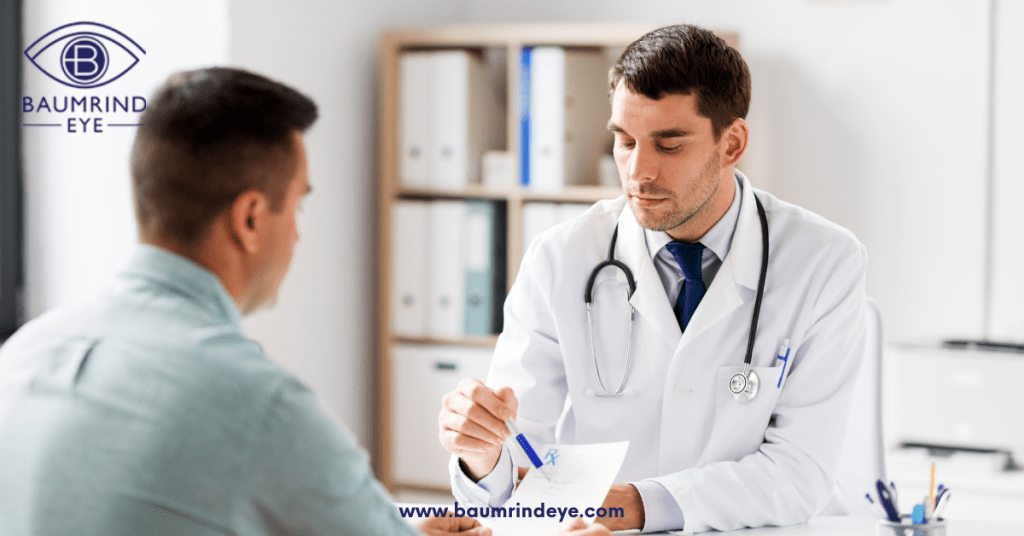
Your eyes are frequently referred to as the “windows to your health.” With a comprehensive eye exam, you can learn if you have any underlying issues or if you are in the development stage.
For example:
- Diabetes may be seen in the retina before a blood test detects it.
- Hypertension can lead to changes in retinal blood vessels.
- Inflammation inside the eye can be caused by autoimmune diseases.
That’s why opting for an eye exam isn’t only a question of seeing clearly, but staying healthy.
How to Select an Eye Doctor in Atlanta
Not all vision care is the same. When selecting an eye doctor in Atlanta or elsewhere, patients should look for:
- Board certification and years of experience
- Access to advanced diagnostic tools
- A welcoming, patient-focused approach
- Comprehensive services for adults and children
FAQs
What is involved in a comprehensive eye exam?
It includes tests for vision clarity, prescription accuracy, eye coordination, pupil reactions, retinal health, and eye pressure.
How often should I get a comprehensive eye exam?
Children need more frequent exams as they grow, adults every 1–2 years, and seniors yearly. People with certain health conditions should schedule an annual visit.
What are the early warning signs of vision problems to look out for?
Blurry vision, frequent eye strain, difficulty reading, flashes of light, or trouble seeing at night may signal an issue.
Can a comprehensive eye exam detect eye diseases before symptoms appear?
Yes. Conditions like glaucoma, macular degeneration, and diabetic eye disease often show no early symptoms but can be detected during an exam.
A screening only measures vision sharpness. A comprehensive exam evaluates the health of your entire eye, detecting diseases and other conditions.
Final Thoughts
Comprehensive eye exams not only help keep your eyes in top shape, but also detect the underlying symptoms of various diseases such as diabetes, glaucoma, cataract, and hypertension.
Whether you are looking for a full eye examination in Atlanta or any other city, it is an important part of preventive health care. By detecting problems early, you protect your vision and even possibly your overall health.
If you haven’t had an eye exam in over a year, now is the time to schedule an appointment with Baumrind Eye. We are your trusted eye clinic in Atlanta, GA. Whether it is a kid or an older adult, our comprehensive eye care in Atlanta is available to all age groups. Get in touch now!


