


Cataract surgery can significantly improve your vision, often leading to a notable increase in clarity. Moreover, the surgery is associated with a relatively quick recovery time, typically 1 to 3 days on average. For some patients, it can be as long as a couple of weeks.
Many patients wonder how soon they can drive after cataract surgery. Well, there is no fixed answer. Generally, you may drive after 24 hours. Your ability to drive after the surgery depends on several factors. Knowing how soon you can drive after cataract surgery is critical for your safety and the safety of others.
Why is it challenging to Drive After Cataract Surgery?
Cataract surgery involves removing the cloudy lens in your eye and replacing it with an artificial one. It’s a common, safe procedure, with most patients noticing improved vision after cataract surgery within days. However, the cataract surgery recovery time varies, and driving isn’t immediately safe. Factors like blurry vision, sensitivity to light, and temporary side effects can affect your ability to drive. While many people can drive again within 24 hours, make sure to consult your doctor.
Your eye needs time to adjust to the new lens, and your coordination may be impaired.
What to do instead:
- Arrange for a friend, family member, or rideshare to drive you home.
- Avoid driving until your doctor confirms your vision meets legal driving standards (typically 20/40 or better in most states).
- Plan for at least 24–48 hours of rest before considering short, daytime drives.
For expert guidance, schedule a consultation with us.
The Typical Cataract Healing Time for Driving
The cataract healing time varies, but most patients can resume driving within 24 hours or 3–7 days, depending on their recovery and doctor’s approval. Your eye doctor will assess your vision during follow-up visits to determine when it’s safe.
Key milestones in the first week:
- Day 1–2: Vision may be blurry or hazy, and you’ll likely feel sensitivity to light. Driving is not safe.
- Day 3–5: Many patients notice clearer vision, but you should still avoid driving until cleared by your doctor.
- Day 7: If your vision meets legal standards and you feel comfortable, daytime driving may be approved.
For more insights on recovery, check out our blog on Preparing for Cataract Surgery.
Night Driving: Why It Takes Longer
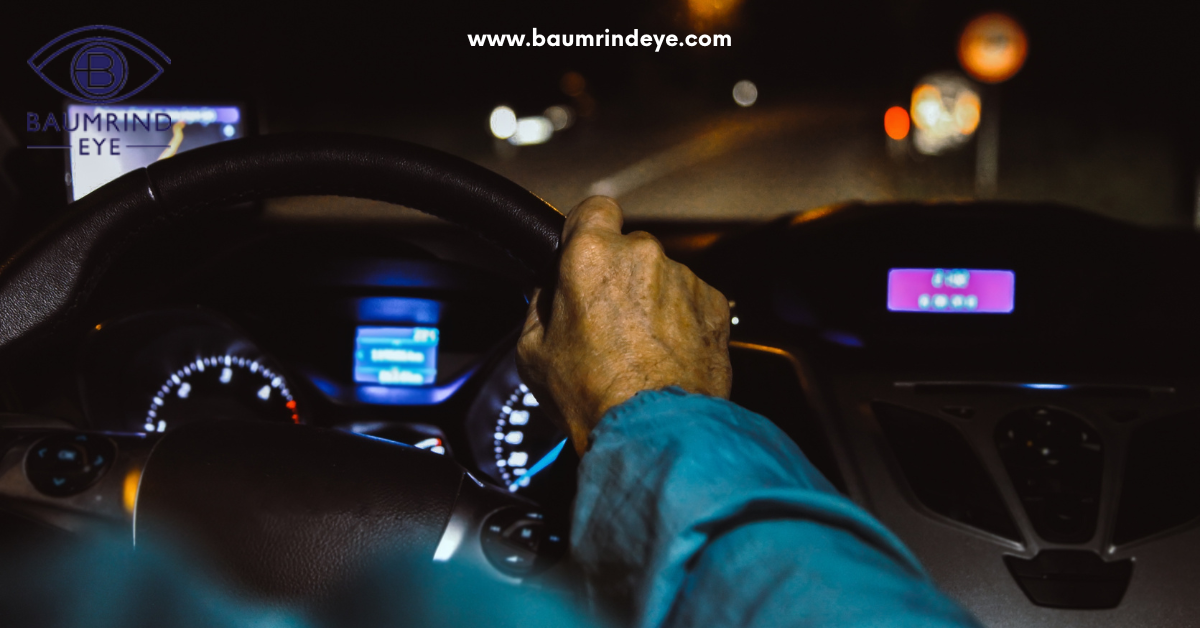
Night driving is more demanding due to reduced light, glare, and the need for sharp contrast sensitivity. Some of the post-surgery symptoms are halos, starbursts, or glare around lights. These are likely to occur especially at night. It takes a couple of weeks to overcome these symptoms.
Night driving timeline:
- Most patients wait 2–4 weeks before driving at night.
- Start with short, familiar routes in well-lit areas.
- Avoid busy roads or adverse weather conditions until you’re confident.
Tips for safe night driving:
- Wear anti-reflective glasses if prescribed.
- Keep your windshield clean to minimize glare.
- Take breaks if your eyes feel strained.
Learn more about managing post-surgery glare in our blog on Common Side Effects of Cataract Surgery.
Factors That Influence Your Driving Timeline
Several factors determine how soon you can drive after cataract surgery. These include:
- Type of Surgery: Advanced techniques, like laser-assisted cataract surgery, may lead to faster recovery compared to traditional methods.
- Pre-existing Conditions: Conditions like glaucoma or macular degeneration can extend recovery time.
- Overall Health: Healthier individuals often heal faster, but age and other factors play a role.
- Post-Op Care: Following your doctor’s instructions—using prescribed eye drops, avoiding strain, and attending follow-ups—speeds up recovery.
- One Eye vs. Both: If you’ve had surgery on one eye and the other has good vision, you may drive sooner, though depth perception could be affected.
How Your Doctor Determines Driving Readiness
Your eye doctor will evaluate your vision during follow-up visits to ensure it meets driving standards. These appointments are crucial for tracking your cataract surgery recovery time and addressing any concerns.
Typical follow-up schedule:
- 24 hours post-surgery: Checks for complications and initial healing.
- 1 week post-surgery: Vision clarity is assessed, and daytime driving may be approved.
- 1 month post-surgery: Vision stabilizes, and night driving restrictions may lift.
- 3–6 months post-surgery: Final checks for long-term vision stability.
Tests performed include:
- Visual acuity (how you see).
- Eye pressure measurements.
- Examination of the eye’s internal structures.
Be honest about any symptoms, like blurry vision after cataract surgery or discomfort, as these could delay your driving clearance.
Tips for a Safe Return to Driving
When your doctor allows you to drive, ease back into driving gradually. Here’s how to stay safe:
- Start with short trips: Drive in familiar areas during the day with good weather.
- Wear sunglasses: Protect your eyes from glare and brightness.
- Use prescribed glasses: Your doctor may update your prescription post-surgery.
- Monitor your vision: If you notice blurriness, halos, or discomfort, stop driving and consult your doctor.
- Avoid fatigue: Take breaks during long drives to prevent eye strain.
- Use eye drops: Lubricating drops can help with dryness, which may affect vision.
Common Questions About Driving After Cataract Surgery
- Can I drive if I had surgery on only one eye?
If your other eye has good vision, you may drive sooner, but depth perception could be affected. Always get your doctor's approval.
- What if I experience glare or halos?
These are normal during the first few weeks. Avoid driving, especially at night, until these symptoms subside.
- How do I know if my vision meets legal driving standards?
Your eye doctor will test your vision to ensure it meets the minimum requirement (typically 20/40 in most states).
Final Thoughts: Drive Safely, Recover Fully
Cataract surgery can restore your vision and independence, but rushing back to driving can jeopardize your safety. By following your doctor’s advice, attending follow-ups, and easing into driving, you’ll regain confidence on the road. The cataract healing time varies, but patience ensures you enjoy clear vision after cataract surgery without risks.
We at Baumrind Eye strive to guide you through every step of your recovery. If you’re in Atlanta and considering cataract surgery, reach out to us for expert care tailored to your needs.


